Form Demo
Presentation Link
Docs Sharing
Friday, 22 April 2016

Saturday, 31 October 2015
Why Blended Learning?
Something that we should do before embarking on any piece of learning is to ask the question "why do we do this?"
 This answer for today has two parts. Part one is another question, "What careers are we preparing our students for? Do they include significant use of digital technology?"
The answer of course is that nearly all careers now require some degree of digital literacy unless you aspire to the glorious life of the Amish furniture maker.
The second part of the answer comes from the patron saint of Wired magazine and legendary Canadian communications researcher Marshall McLuhan when he famously said, "The medium is the message."
Our students are a part of the first true internet generation. They are a generation plagued with the problem of too much information rather than not enough.
Because of this, how they process information and how they like to work differs greatly from the environment that everyone in teaching is probably used to seeing as a learning space. How we deliver this learning, according to McLuhan, is just as important as what we are delivering if we want it to reach our intended audience.
 Student don't understand why, but they don't like to work with tools from the 1990s. They don't see the architecture behind it but they know, because they have been shaped by tools of the app age, that using those older tools is often clunky, slow and inefficient.
We have to meet them in a place they are familiar with and put in the effort to use modern tools with modern pedagogy to shape them for the age they will graduate into.
This answer for today has two parts. Part one is another question, "What careers are we preparing our students for? Do they include significant use of digital technology?"The answer of course is that nearly all careers now require some degree of digital literacy unless you aspire to the glorious life of the Amish furniture maker.
 |
| from unifiedstream.com |
Our students are a part of the first true internet generation. They are a generation plagued with the problem of too much information rather than not enough.
Because of this, how they process information and how they like to work differs greatly from the environment that everyone in teaching is probably used to seeing as a learning space. How we deliver this learning, according to McLuhan, is just as important as what we are delivering if we want it to reach our intended audience.
We have to meet them in a place they are familiar with and put in the effort to use modern tools with modern pedagogy to shape them for the age they will graduate into.
Friday, 30 October 2015
The Plan: Part 3
 Our final question for research is:
- What pitfalls could cause issues for you as you blend your classroom?
- What assignments of projects that you already use could you modify, re-purpose, or rebuild?
We will discuss these at 12:20
The Plan: Part 2
The second questions for this session and your research are:
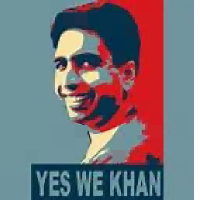 |
| Image from khanacademy.org |
- What is Khanacademy.org and what role does it play in the history of blended learning?
- What type of classroom would benefit most from being blended or flipped?
- What steps would you need to take to bring the current work in your class into a blended environment?
We will discuss these at 11:50AM.
Wednesday, 28 October 2015
The Plan: Part 1
Welcome to the PD session on blended learning.
Rather than put up a PowerPoint and talk about it we are going to instead embrace the blended and flipped classroom and have you do the research before we discuss what we've learned.
Later in the posts and on the sidebar(in the right column) are a series of videos, websites, books and other resources that will help you explore the concept of blended learning.
Our first questions for research are:
Good luck with your research, have fun and don't feel afraid to ask questions and to discuss things with your neighbor.
 |
| from danieldlaine.com |
Later in the posts and on the sidebar(in the right column) are a series of videos, websites, books and other resources that will help you explore the concept of blended learning.
Our first questions for research are:
- What is blended learning?
- How does blended learning differ from direct instruction?
- What is a flipped classroom and how does it work?
Good luck with your research, have fun and don't feel afraid to ask questions and to discuss things with your neighbor.
Subscribe to:
Posts (Atom)